Welcome to the AfRI Practice Hub, the go-to hub for understanding regional integration in Africa. Whether you’re new to or already familiar with Africa’s wide variety of regional organisations, trade agreements, transport corridors and value chains, this hub brings together analysis, practical resources and expert support in one place. Explore insights, stay informed and access the tools and knowledge needed to help turn Africa’s integration ambitions into reality.
Find out more
What we explore
The AfRI Practice Hub is structured according to three key objectives of African regional integration: cooperation through regional organisations, trade along corridors and industrialisation through value chains. We examine these dimensions individually, but also explore the dynamic interplay between all three.
1
Regional organisations
Regional organisations provide a basis for cooperation between African countries. They provide the institutional basis for regional economic integration, allowing countries to work together on issues that transcend national borders, including trade. Regional organisations help coordinate policies and facilitate the movement of goods, services and people across borders. Beyond the African Union, the largest regional organisation, Africa is home to a large number of overlapping regional organisations – each with its own trade agreements that coexist with the African Continental Free Trade Area (AfCFTA). This complicates the practice of regional integration.
2
Corridors
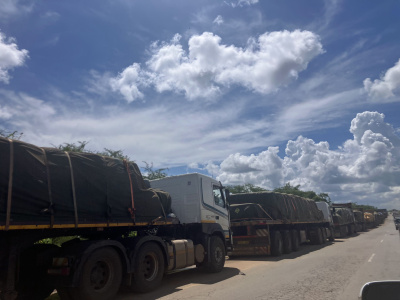
Corridors are transport routes around roads, railways and waterways linking production zones, cities, countries and ports. They are where free trade agreements are actually implemented and offer the backbone of regional integration by connecting markets and facilitating trade between countries. They can help goods move faster – and cheaper – across borders, and are particularly important for landlocked countries that rely on access to seaports. Corridors also offer the potential to promote investment and create jobs. Currently, trade policies are often inconsistently applied along corridors, while there are increasing opportunities to apply technology to facilitate trade.
3
Value chains
Value chains are the combined steps involved in making a product, from mining and producing raw materials to producing the final goods sold to consumers. They involve multiple firms in multiple countries, often spanning the globe. African regional value chains can help create jobs, add value within African economies and support long-term economic growth. Many African countries are major exporters of raw goods and importers of finished goods. While the level of value addition in intra-African trade is rising, a focus on regional value chain support could help shift this economic model. But this will require aligned interests and policies, not least with private sector actors.
Explore our map showing the complex interactions between Africa’s countries and their multiple regional organisation memberships – each with their own trade agreements – as well as the continent’s corridors and value chains. It highlights the opportunities but also some of the challenges of moving from regional integration ambitions to practice.
Explore the map